



The Hidden Connection Between Eye Health and Diabetes
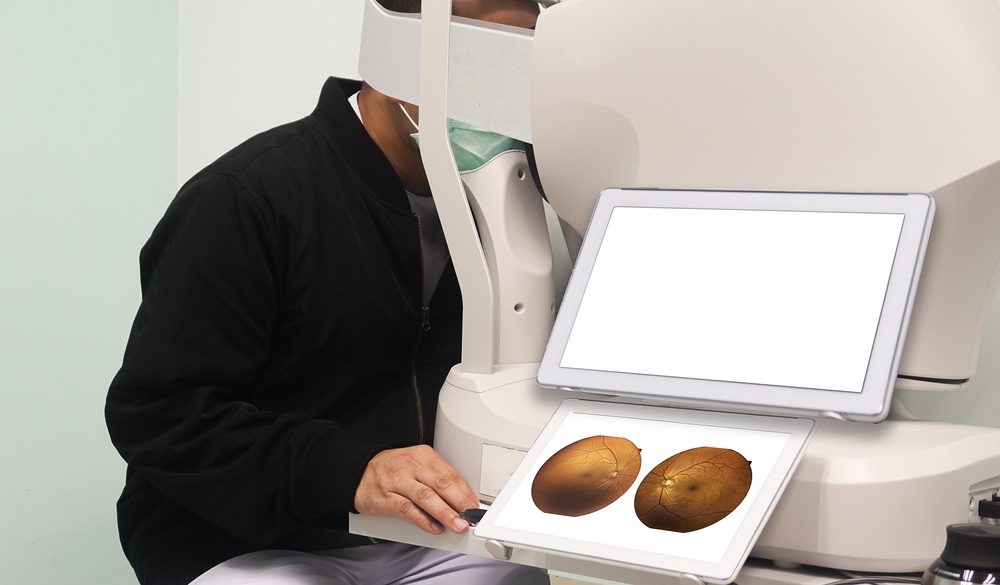
Diabetes affects millions of Americans and is widely known for its impact on blood sugar levels, heart health, and circulation. What many people don’t realize is that diabetes can also have a significant - and sometimes silent - effect on eye health. At Broad View Eye Center, we believe education and early detection are key to protecting your vision, especially for patients living with diabetes.
How Diabetes Impacts Your Eyes
Diabetes can damage blood vessels throughout the body, including the delicate vessels that supply the eyes. Over time, elevated blood sugar levels may weaken or block these vessels, leading to vision changes and, in severe cases, permanent vision loss. Some diabetic eye conditions develop gradually and may not cause noticeable symptoms at first, which is why routine eye care is so important.
Common Diabetic Eye Conditions
People with diabetes are at increased risk for several eye conditions, including:
• Diabetic Retinopathy: This condition occurs when high blood sugar damages the blood vessels in the retina. It’s one of the leading causes of vision loss in adults and often develops without early warning signs.
• Diabetic Macular Edema: Fluid buildup in the macula (the part of the retina responsible for sharp, central vision) can cause blurred or distorted vision.
• Cataracts: While cataracts can affect anyone, people with diabetes tend to develop them earlier and more rapidly.
• Glaucoma: Diabetes nearly doubles the risk of glaucoma, a condition that damages the optic nerve and can lead to irreversible vision loss if untreated.
Why Diabetic Eye Exams Are Essential
Even if your vision seems fine, diabetes-related eye damage can progress silently. That’s why diabetic-related eye exams in Strongsville are critical for anyone with diabetes - Type 1 or Type 2.
During a diabetic eye exam, your eye doctor will:
• Evaluate the health of your retina and blood vessels
• Check for early signs of diabetic retinopathy or macular edema
• Monitor eye pressure and lens clarity
• Establish a baseline to track changes over time
Early detection allows for timely treatment and can dramatically reduce the risk of vision loss.
Signs You Shouldn’t Ignore
Contact an eye doctor in Strongsville right away if you experience:
• Blurred or fluctuating vision
• Dark spots or floaters
• Difficulty seeing at night
• Sudden vision loss
• Eye pain or pressure
These symptoms may indicate advanced diabetic eye disease and should be evaluated promptly.
Schedule Your Diabetic Eye Exam in Strongsville, OH
Diabetes and eye health are more closely connected than many people realize. Because diabetic eye conditions often develop without early symptoms, routine eye exams are essential for protecting your vision. With proactive care and regular monitoring, vision loss from diabetes is often preventable.
Schedule a diabetic eye exam at Broad View Eye Center to safeguard your vision from eye disease. Visit our office in Berea, Broadview Heights, or Strongsville, Ohio. Call (440) 526-7070 or (440) 238-7865 to book an appointment today.

All Eye
Care Services

Leave Us
a Review

Keep
In Touch

Dr. Reaction
Videos

Berea Office
Phone Number
Broadview Heights Office
Phone Number
Strongsville Office
Phone Number
© 2026 Berea. All Rights Reserved. Accessibility Statement - Privacy Policy - Sitemap
