



Diabetic Eye Exams in Strongsville: Why Clear Vision Isn’t Enough
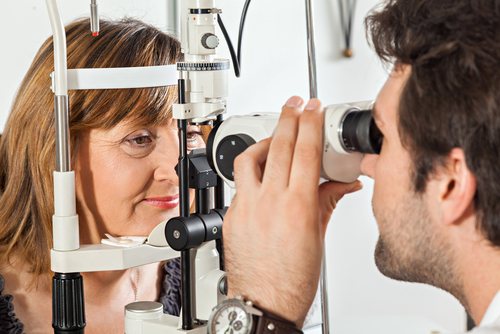
You can read the 20/20 line on an eye chart and still have early diabetic retinopathy. That line tells us how sharply you see straight ahead. During a diabetic eye exam at our Strongsville office, we also check the tiny blood vessels at the back of each eye. We can often see changes there long before you notice trouble reading a menu or recognizing a face.
How Diabetes Affects the Retina
The retina is the light-sensitive tissue at the back of your eye. Over time, high blood sugar can weaken its blood vessels. Small bulges or spots of bleeding may develop while the macula, the part of the retina you rely on for fine detail, still works well. Your glasses prescription may stay the same throughout these early changes.
If damaged vessels leak fluid into the macula, the swelling can make words look blurry or straight lines appear wavy. This condition is called diabetic macular edema. Knowing whether swelling is present helps us decide how soon you need follow-up care or a visit with a retina specialist.
What We Look for During a Diabetic Eye Exam
At our Strongsville office on Pearl Road, we’ll ask how long you’ve had diabetes and whether you’ve noticed any changes in either eye. If you know your most recent A1C, bring that number along. It gives us a sense of your average blood sugar over the past few months.
We use eye drops to widen your pupils so we can examine more of the retina. We look for signs of bleeding, swelling, or abnormal blood vessel growth. If you’ve had a previous exam, comparing findings helps us see whether a change is new or has stayed stable. We’ll explain what we see and when we recommend checking again.
When to Schedule Your Exam
The timing depends on which type of diabetes you have and what we find during your exam.
Type 2 diabetes: Schedule a dilated eye exam when you’re diagnosed. Blood sugar may have been elevated for years before your diagnosis.
Type 1 diabetes: For adults, the first diabetic retinal exam is generally due about five years after diabetes begins.
Follow-up exams: Many people need a yearly visit. If your exams show no retinopathy and your blood sugar is within your target range, we may recommend an interval of one to two years. If we see changes that are progressing, we’ll recommend a shorter interval.
To schedule your diabetic eye exam, call Broad View Eye Center in Strongsville, OH, at (440) 238-7865.

All Eye
Care Services

Leave Us
a Review

Keep
In Touch

Dr. Reaction
Videos

Berea Office
Phone Number
Broadview Heights Office
Phone Number
Strongsville Office
Phone Number
© 2026 Berea. All Rights Reserved. Accessibility Statement - Privacy Policy - Sitemap
